
Recursos del Paciente
Manténgase sano!
Disasters Can Affect Mental Health A Decade Later, Review Finds
- February 26, 2026
- Dennis Thompson HealthDay Reporter
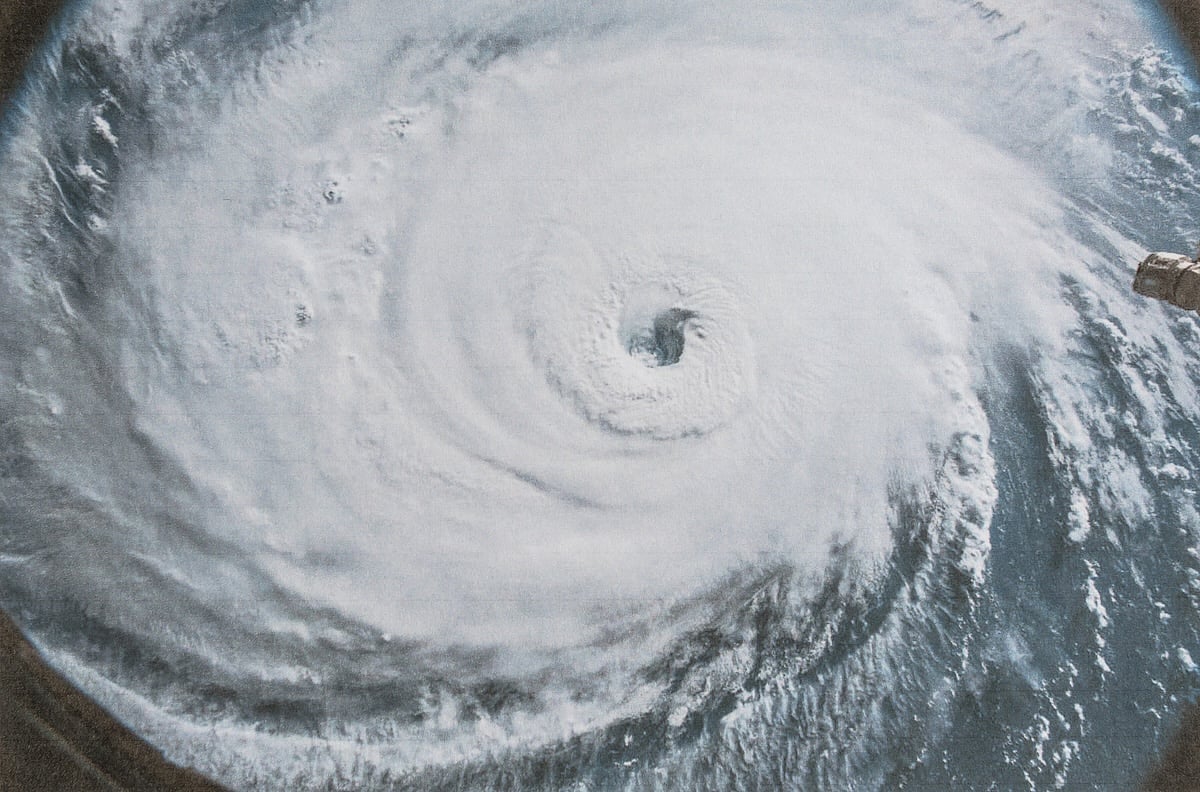
Disasters and violent events echo in the minds of people for years afterward, contributing to mental illness that can surface as much as a decade later, a new evidence review has found.
More than 1 in 5 survivors (22%) will develop a mental health problem after living through their ordeal, researchers report in the Harvard Review of Psychiatry.
These illnesses tend to occur in two peaks – one within the first few months of a disaster and another about a decade later, researchers found.
The results contradict the general view that survivors can be expected to leave the past behind as they grow older, researchers said.
“By relying on gradual post-disaster mental health improvement, we may have underestimated the long-term effects,” lead researcher Michel Dückers said in a news release. He’s a professor of behavioral and social sciences at the University of Groningen in the Netherlands.
For the review, his team pooled data from 71 prior studies involving more than 137,000 people. The studies were published between 1990 and 2024, and involved disasters in 23 countries.
Disaster categories included earthquakes, storms, terrorist attacks, tsunamis, accidents, floods, mass shootings, explosions, volcanic eruptions, fires and landslides, the study said.
Depression was the most common mental health problem linked to disasters, affecting about 30% of survivors.
Other common issues included distress (28%); sleep problems (27%); grief (25%); post-traumatic stress (23%); anxiety (21%); and suicidal thoughts or behaviors (21%).
Both natural and man-made disasters had about the same effect on people’s mental health, after controlling for other risk factors, researchers found.
Mental health problems tended to decrease gradually following a disaster, but increased again with peaks nine to 18 years later, researchers found.
"A cascading interplay of risk factors, reflected, for instance, in accumulated unmet health care needs, unresolved and new problems, life events, lack of support and secondary stressors in the aftermath, may account for the increased mental health burden," Dückers said.
"In the years following a disaster, social relationships can deteriorate, and those affected may experience diminished recognition within their personal, professional, and community environments,” he added.
Researchers said their results indicate that survivors of a disaster should be monitored for years afterward and offered counseling that could help them better deal with the aftereffects of their event.
More information
Mass General Brigham has more on the mental health effects of natural disasters.
SOURCES: Wolters Kluwer Health, news release, Feb. 23, 2026; Harvard Review of Psychiatry, Feb. 17, 2026
