
Manténgase sano!
- Posted February 24, 2026
Hurricanes Linked to Rise in Drug, Alcohol Deaths Post-Storm
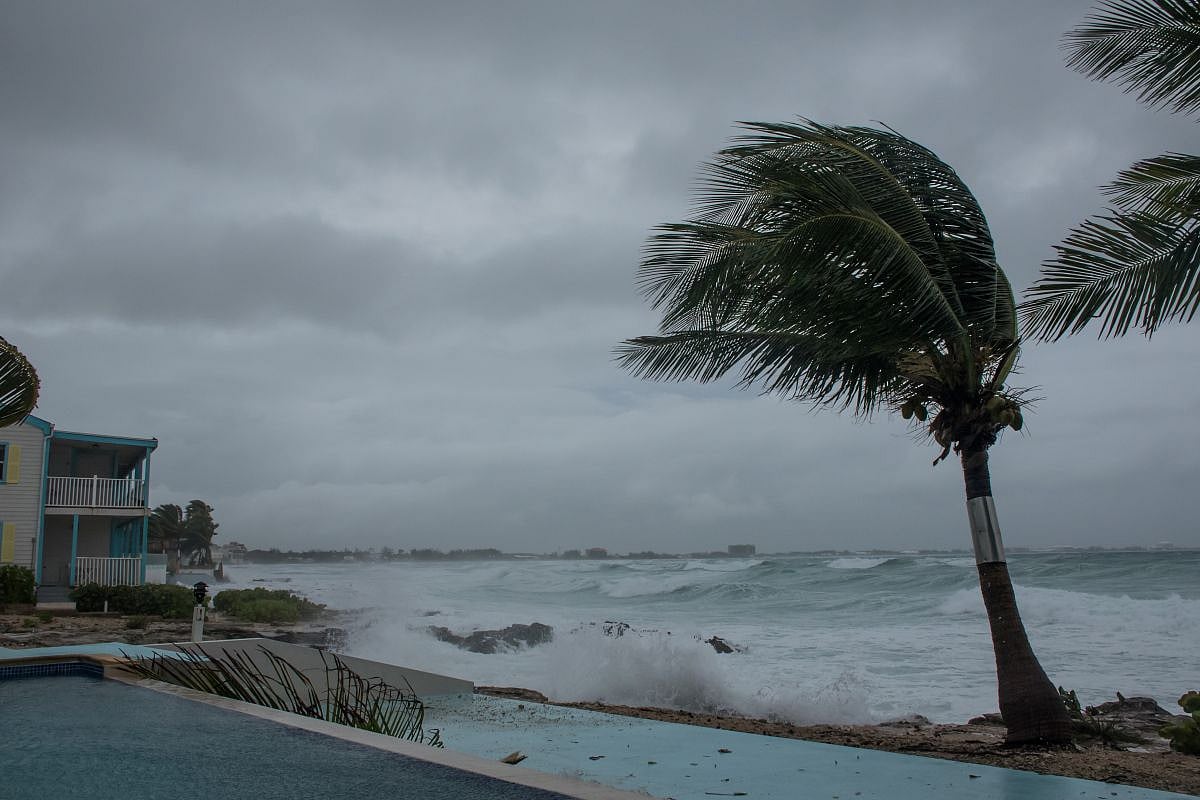
Hurricanes are terrifying and destructive, but their damage doesn’t end with homes flattened and cities flooded, a new study says.
A wave of alcohol- and drug-related deaths also occur in the wake of hurricanes and tropical storms, researchers reported Feb. 20 in JAMA Network Open.
Further, these deaths increase as people are exposed to more and longer storms.
“Among U.S. counties exposed to tropical cyclones from 1988 to 2019, each additional cyclone-exposed day per month was associated with an increase in psychoactive drug-related death rates,” concluded a team led by Raenita Spriggs, a doctoral student at Columbia University Mailman School of Public Health in New York City.
“The associations were greatest in the month of exposure and, in some cases, persisted for up to three months post cyclone,” the researchers found.
These results are disturbing, given that such storms are growing in number and intensity due to climate change, said Dr. Manassa Hany, director of addiction psychiatry at Zucker Hillside and South Oaks hospitals at Northwell Health in New York City, who reviewed the findings.
“We've always anecdotally suspected that this is the case -- if there is a large-scale disaster happening somewhere; that it will lead to problems with substance use disorder and mental health in general,” Hany said. He was not involved in the research.
For the new study, researchers analyzed nearly 800,000 substance-related deaths in more than 1,250 U.S. counties that experienced a tropical storm from 1988 to 2019.
Results showed that for every day a storm wreaked havoc on a county, the substance-related death rate increased by 3.8% both that month and the month after.
Interestingly, only wealthier counties were affected by this increase in substance-related deaths, researchers found.
“Lower poverty, predominantly white communities have greater access to prescription drugs, higher rates of prescription drug misuse concurrent with illicit drug use, and higher rates of substance use disorders, which may increase the risk of misuse or overdose when health care systems are disrupted and prescriptions become unmonitored,” researchers wrote.
“Additionally, individuals with higher socioeconomic status are more likely to use tranquilizers (e.g., Xanax), stimulants (e.g., cocaine), and alcohol,” the team continued. “The ability to purchase and access these substances may be greater in wealthier communities, and disruptions in local drug markets during and after cyclones may increase reliance on more dangerous or adulterated substances.”
There are a couple of potential explanations why tropical storms might cause an increase in deadly alcohol and drug use, Hany said.
These storms cause considerable anxiety and stress, leading some to self-medicate with drinking and drugs, he said.
“People may crave something to enter their system and calm them down and numb their feelings,” Hany said. “For those who have substance use disorders and recovery or preexistent substance use disorders, it will promote relapse.”
Hurricanes also can disrupt addiction services like treatment centers, Hany said.
“If [someone is] getting methadone from an opioid treatment program, it would shut down. If someone is getting suboxone from their doctor, they probably will lose access to that treatment,” he said. “During the time of a natural disaster, people will not be receiving formal treatments such as counseling and group sessions. Their usual treatment process and support will be interrupted.”
Hany said that interruption can promote drug cravings that could lead to overdoses.
“People may also lose access to naloxone to revive people if an overdose happens because of a severe weather event,” he said.
These results show that substance use and mental health services need to be integrated into disaster response plans, researchers said.
Hany agreed.
“When we prepare for a disaster, we must make sure that people are safe and have a place to shelter, but also make sure that we plan for higher rates of overdose,” Hany said. “When an area is going to be hit with severe weather, we need to make sure the shelters have harm reduction resources such as Narcan, first responders, community aid organizations. We need to equip them.”
More information
Yale School of the Environment has more on the hidden health toll of hurricanes.
SOURCES: JAMA Network Open, Feb. 20, 2026; Dr. Manassa Hany, director of addiction psychiatry, Zucker Hillside and South Oaks hospitals, Northwell Health, New York City


