- Posted February 11, 2026
AMA Launches Independent Vaccine Review After CDC Criticism
Two major medical groups will begin reviewing vaccine safety and effectiveness after major changes at the U.S. Centers for Disease Control and Prevention (CDC) have raised alarms among experts.
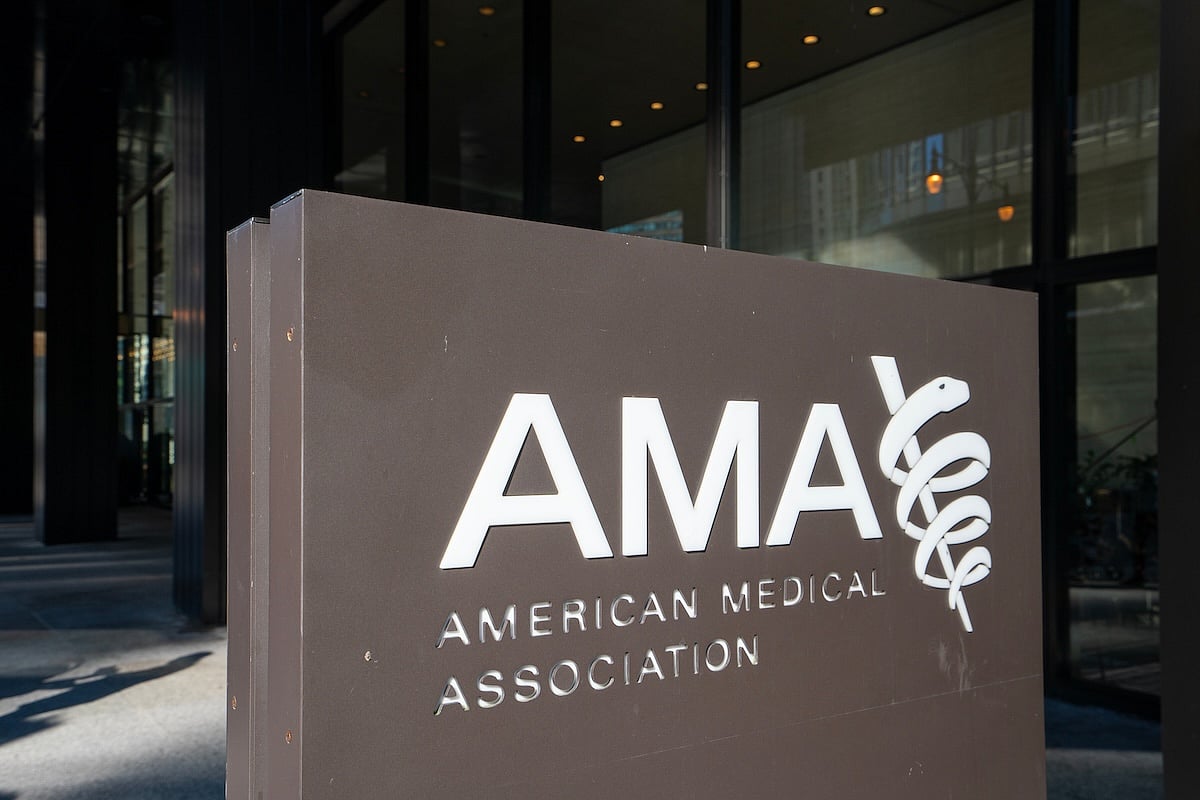
The American Medical Association (AMA) and the Vaccine Integrity Project at the University of Minnesota announced Tuesday that they are creating an independent system to review scientific evidence on vaccines.
The effort, the agency's said, will focus first on vaccines for flu, COVID-19 and respiratory syncytial virus (RSV) ahead of the fall respiratory virus season.
The groups say their goal is not to issue vaccine recommendations, but to provide trusted, science-based reviews that doctors, state health officials and others can use when making vaccination decisions.
In a joint statement, the organizations said the CDC’s vaccine review process has “effectively collapsed,” making an independent review necessary.
For decades, vaccine guidance in the United States came from a CDC advisory panel known as the Advisory Committee on Immunization Practices (ACIP).
That group reviewed large amounts of safety and effectiveness data before deciding which vaccines should be recommended and for whom.
While the guidance was not legally binding, it was widely followed by doctors, schools and insurers.
That system changed dramatically earlier this year.
U.S. Health and Human Services (HHS) Secretary Robert F. Kennedy Jr. removed all 17 members of the panel and replaced them with a new group that includes several vaccine skeptics.
Officials have also blocked several medical groups from participating in the analysis of vaccines for the committee.
Since then, the panel has made decisions that many public health experts strongly oppose, including a vote to end the long-standing recommendation that all newborns receive the hepatitis B vaccine.
“It shows the considerable concern around where we are going with evidence-based recommendations," Dr. Jeanne Marrazzo, CEO of the Infectious Diseases Society of America, told The Washington Post.
“This signals a really important foray for them to come into this space," Marrazzo, former director of the National Institute of Allergy and Infectious Diseases, added.
The AMA’s involvement is especially notable. The organization has traditionally focused on physician reimbursement, billing and medical practice issues, not large-scale public health evidence reviews.
Leaders say the change reflects how serious this situation has become.
Michael Osterholm, director of the University of Minnesota Center for Infectious Disease Research and Policy, told The Post that the initiative is about filling “a huge black hole in public health and medical practice.”
Andrew Nixon, a spokesperson for HHS, said the “claim that ACIP’s evidence-based process has collapsed is categorically false. ACIP continues to remain the nation’s advisory body for vaccine recommendations driven by gold standard science.”
He added, “While outside organizations continue to conduct their own analyses and confuse the American people, those efforts do not replace or supersede the federal process that guides vaccine policy in the United States.”
But concern has mounted ever since routine childhood vaccine recommendations were scaled back earlier this year. The move bypassed CDC experts and the advisory panel altogether.
“It is our duty as health care professionals to work across medicine, science and public health to make sure the U.S. has a transparent, evidence-based process by which vaccine recommendations are made,” said Dr. Sandra Adamson Fryhofer, an AMA trustee and the organization’s liaison to the CDC vaccine panel.
“Together, we are committed to ensuring the American public has clear, evidence-based guidance that inspires confidence when making important vaccination decisions," she added.
The Vaccine Integrity Project has already conducted evidence reviews of COVID-19, flu and RSV vaccines in 2025 and is now reviewing data on the HPV vaccine.
More information
Johns Hopkins Bloomberg School of Public Health has more on how the U.S. ensures vaccine safety.
SOURCE: The Washington Post, Feb. 10, 2026
