- Posted January 9, 2026
'The Pitt' Informs, Educates Viewers, Study Says
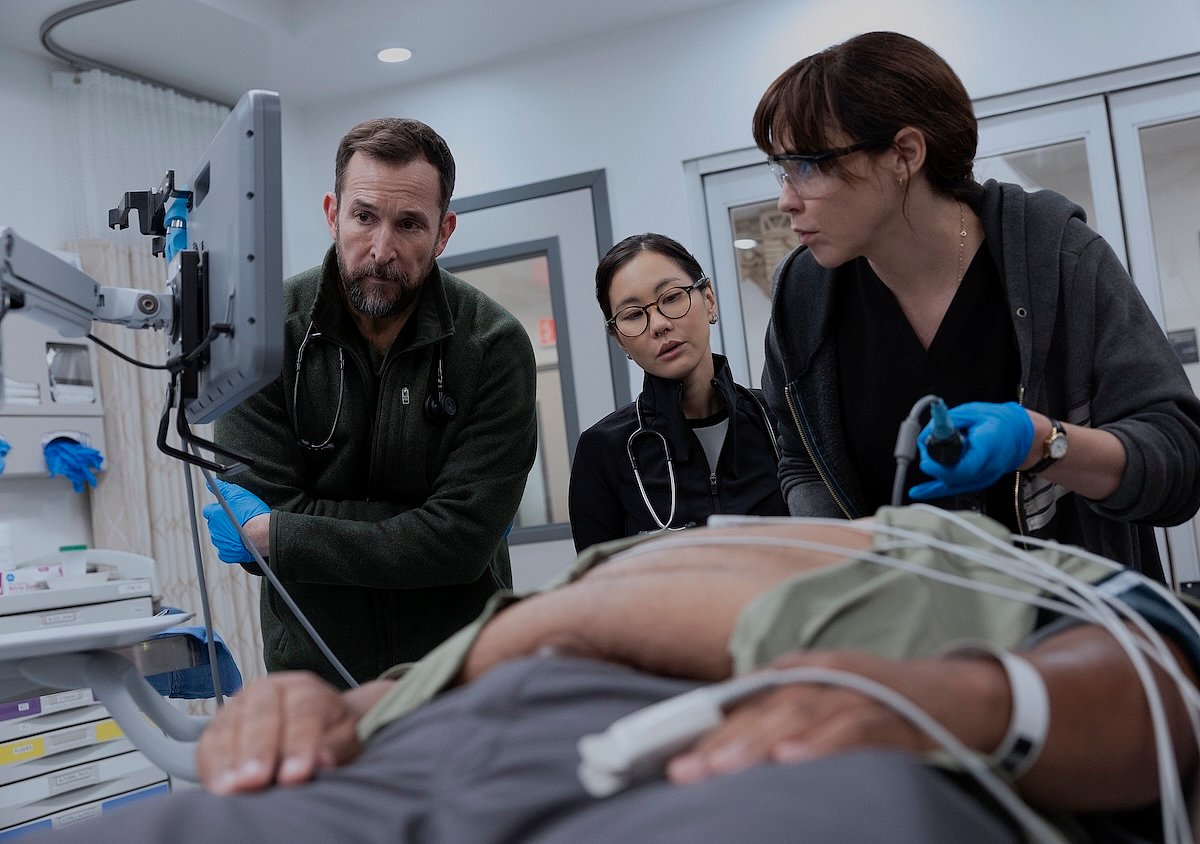
Gritty medical drama "The Pitt" has made a big difference in the way patients and families understand dicey issues like organ donation or end-of-life decision making, a new report says.
"The Pitt" -- which returned to HBO Max for its second season Thursday -- is well-known for its commitment to accuracy and authenticity, researchers at the USC Norman Lear Center in Los Angeles said.
The commitment has resonated among viewers, researchers said in their report, Life and Death in The Pitt.
“At a time when audiences are flooded with misinformation, representing these stories with care and attention to accuracy has never been more important,” said Kate Langrall Folb, director of Hollywood, Health & Society, a Lear Center program.
“Television has the power to affect audiences and the way they see the world around them long after the credits roll,” she said in a news release.
For the report, researchers interviewed 25 medical professionals and surveyed more than 1,400 HBO Max viewers.
All but two of the pros had direct ER experience. Among viewers, about half had watched at least three episodes of "The Pitt."
Its first season aired in 2025. The show followed a single day shift at the Pittsburgh Trauma Medical Center’s emergency room, with each episode representing an hour’s events.
Viewers who followed two specific story lines on organ donation and end-of-life planning were consistently two to three times more likely to have sought or shared information about those topics, results showed.
In the first story line, parents of a 19-year-old teen struggle with donating his organs after he’s declared brain dead from a fentanyl overdose. The plot ends with a moving “honor walk” in which ER personnel and friends line up as the teen is wheeled away, recognizing the parents’ selfless and life-saving decision.
Nearly 27% of viewers of the plotline sought information about organ donation, and 17% shared information about donation on social media, according to a poll conducted for the Lear Center report.
In the second story line, a senior man’s adult children do not initially honor the do-not-intubate order that’s part of their father’s advance directive. This causes him visible suffering, and the children wind up agreeing to discontinue life support and allow him to pass peacefully.
Nearly 39% of viewers of that plotline sought information on end-of-life planning, and 15% shared info on social media, researchers said.
“Compared to non-viewers, those who saw either storyline had more positive attitudes and greater intentions to make plans or discuss preferences with loved ones,” the report noted.
Overall, nearly 90% of viewers agreed that the show does a good job of educating while entertaining viewers and that it makes understandable and relatable the stress that health care providers face every day.
Medical professionals also responded positively to "The Pitt," saying the show made them feel validated or “seen.”
“We’ve had doctors write to us and say they’ve recognized a case of measles, or a case of methemoglobinemia in the ER because of something they saw,” co-executive producer and writer Dr. Joe Sachs said in a news release.
“More importantly, emergency room personnel have talked about recognizing their own post-traumatic stress from COVID and from overcrowding and the stresses of emergency medicine in 2025 and have sought help based on stories that they’ve seen,” Sachs added.
Nearly 3 out of 4 medical professionals said the show offered true-to-life depictions of systemic challenges they face daily – overcrowding, lack of psychiatric beds, chronic underfunding, pressure from hospital administration.
But the professionals were skeptical about the show’s ability to prompt reform in the profit-driven U.S. health care system.
"The Pitt" is expected to expand its research in its second season, with more than 30 consultations with 37 experts across multiple topic areas, researchers said.
“There is no tradeoff between accuracy and commercial success,” Erica Rosenthal, director of research at the Norman Lear Center, said in a news release. “When medical dramas embrace the complexities of real-life, they have the ability to both engage massive audiences and empower medical professionals.”
The show had a major sweep at the Primetime Emmy Awards last year, winning five, including outstanding drama series and lead actor for Noah Wylie.
More information
The Norman Lear Center has more on its ongoing projects.
SOURCE: USC Norman Lear Center, news release, Jan. 7, 2026
